What you'll learn from this post:
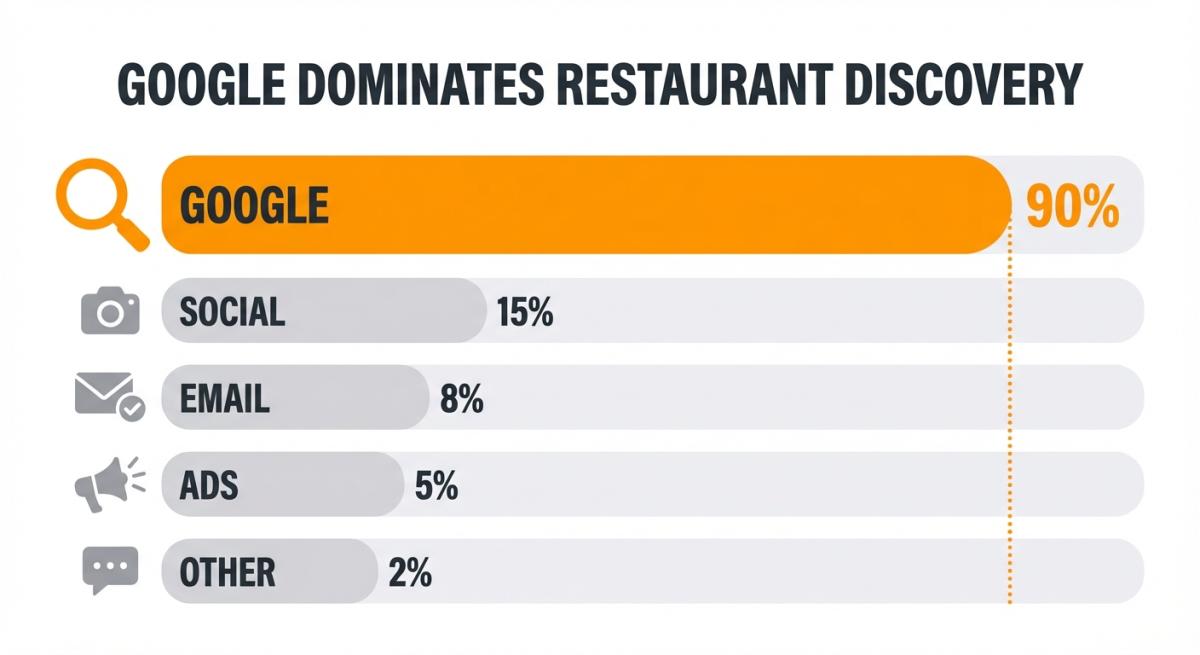
- Google is still where your next customers find you. Over 90% of restaurant discovery starts in search engines and map apps.
- Most restaurant websites are invisible to Google because of a few fixable problems: PDF menus, outdated info, slow load times, zero SEO setup.
- AI tools like ChatGPT and Perplexity now recommend restaurants too. The same fixes that help you rank on Google help you show up there.
- You don't need an agency or a developer. You need the right setup from day one
Your next customer isn't driving around looking for a place to stop.
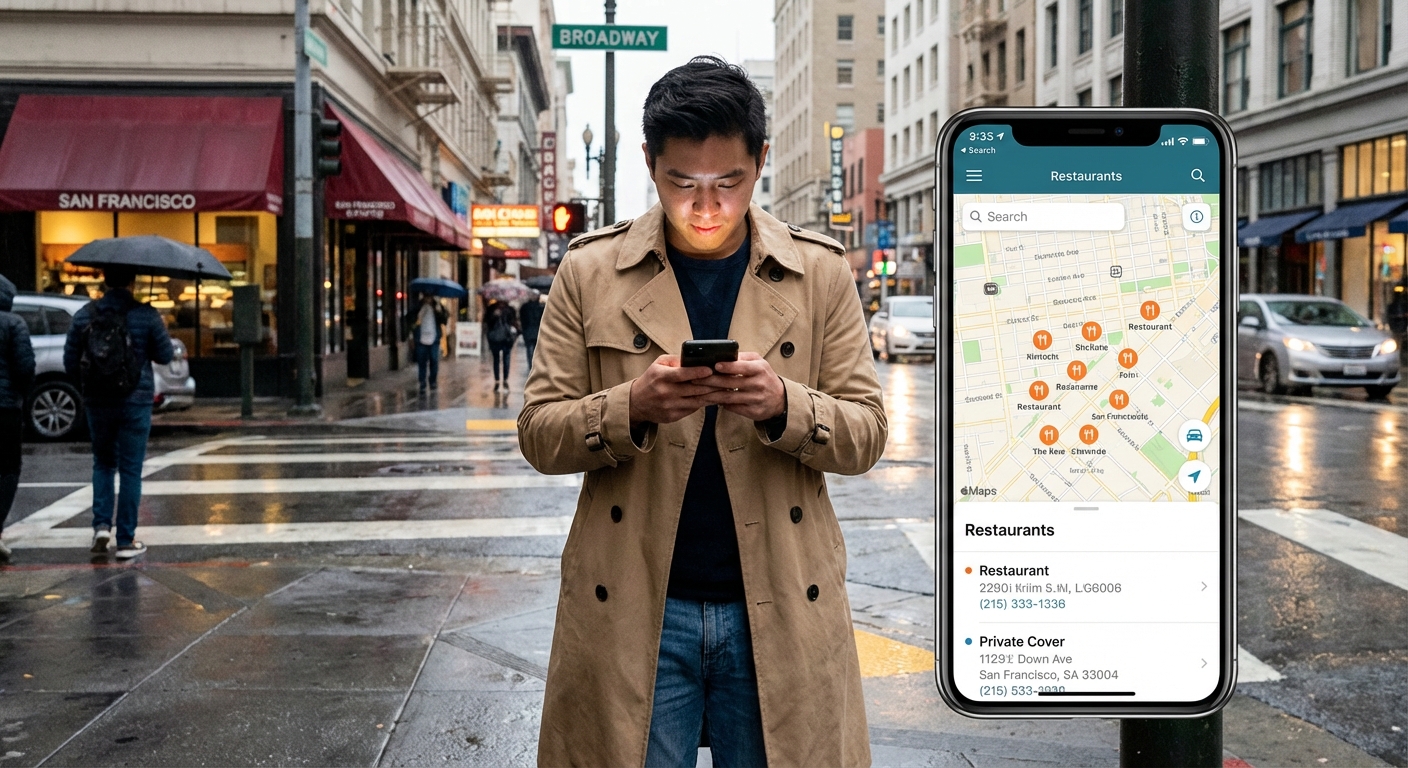
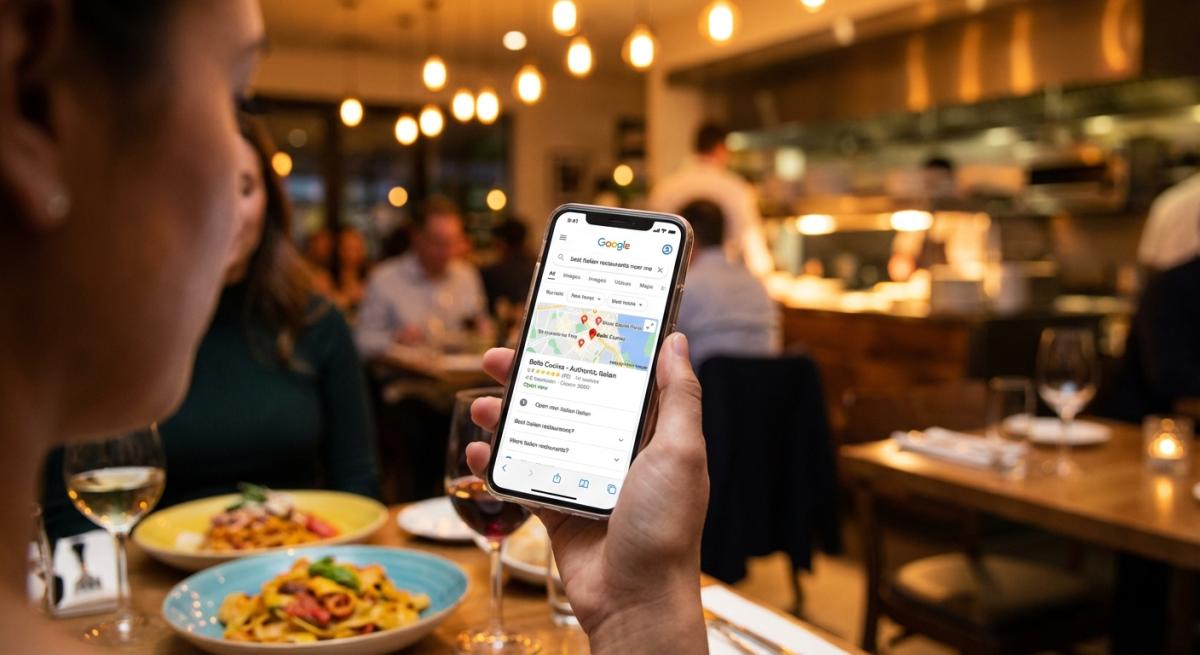
They're in their car Googling "tacos near me". Or asking ChatGPT. Or scrolling Google Maps while waiting to pick up their kid.
Over 90% of restaurant discovery happens in search engines and map apps. 62% of diners use Google before deciding where to eat. "Near me" food searches grew 900% in the past two years.
If your restaurant doesn't show up, you're invisible. Not because your food isn't good. Because your website isn't set up for Google to find it.
I grew up in my family's restaurant. I've spent time in restaurant tech as a CMO and CTO. When I built Welcome, I made sure it handles the SEO during onboarding. Page titles, meta descriptions, site structure. Done before your site goes live.
This is what actually works for restaurant SEO in 2026.
What Is Restaurant SEO? (And Why Does It Crush Social Media?)
SEO stands for search engine optimization. It's how Google decides which restaurants show when someone searches for food in your area.
Better SEO = higher rankings = more people find you = more calls, visits, and orders.
Social media requires you to post constantly. Every day. Multiple platforms. The second you stop, your reach drops.
SEO compounds. You set things up correctly once, and it keeps paying off months later.
Google drives more new restaurant customers than social media, direct mail, billboards, and flyers combined. It's not even close.
Also: 59% of restaurant website visits come from smartphones. If your site doesn't load fast and look good on a phone, you're losing more than half your potential customers.
The 5 Wins That Actually Matter for Restaurant SEO
You don't need to become an SEO expert. You need to get five things right. These cover about 80% of what determines whether Google shows your restaurant or your competitor's.
Win #1: Lock Down Your Google Business Profile
Your Google Business Profile (GBP) is the single most important piece of your online presence. More people see your GBP than your actual website.
And most restaurants have theirs half-filled-out.
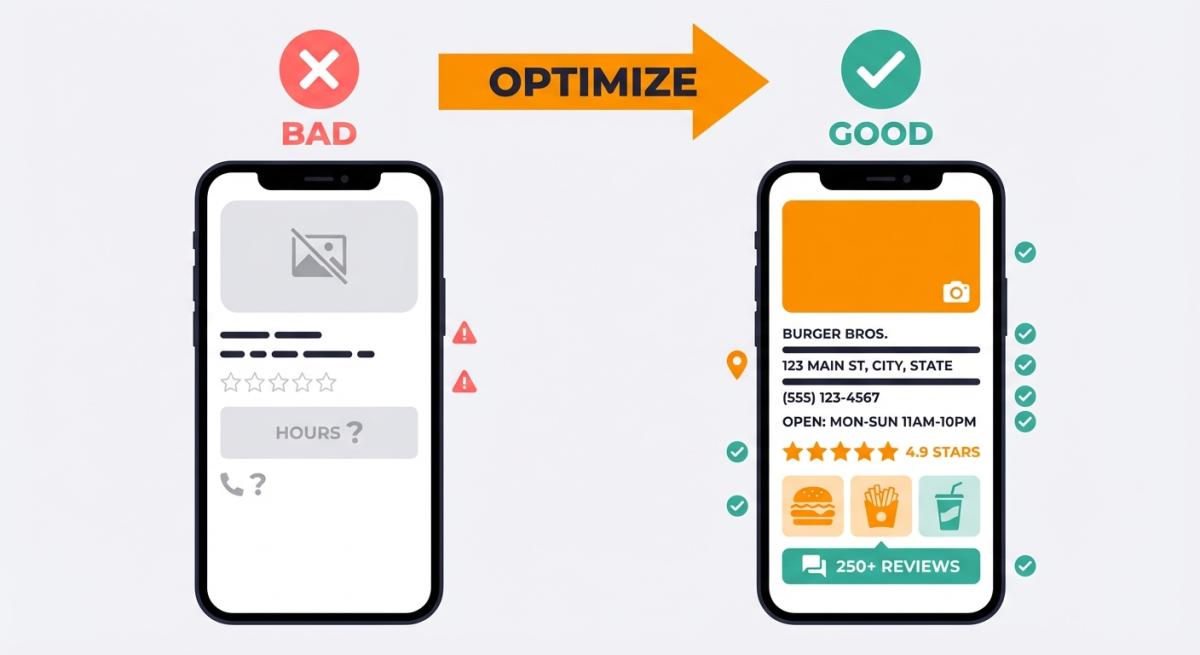
A complete GBP needs:
Accurate name, address, and phone number. Google checks whether this matches across your website, Yelp, TripAdvisor, and every other listing. "St." on Google and "Street" on Yelp? Those small inconsistencies hurt you.
Real photos. Focus on getting the lighting right. Phone photos work fine. Just make sure they look like your actual restaurant.
Every attribute filled out. Outdoor seating, Wi-Fi, wheelchair accessible, vegetarian options. Each attribute helps Google match you to more specific searches.
Your menu. People search for specific dishes. If your menu is in your GBP, Google can match "pad thai near me" to your restaurant.
Current hours. Wrong hours = lost customers + bad reviews. Holiday closures, seasonal changes, all of it.
Google reviews. Not Yelp. Not TripAdvisor. Google reviews directly impact your local ranking. Restaurants that post weekly GBP updates get 3-7x more direction requests.
75% of local Google searches convert into actual leads. Your GBP is where those conversions start.
Welcome's location pages keep your hours, address, closures, and contact info centralized. Update once, correct everywhere.
Win #2: Make Your Menu a Real Web Page (Kill the PDF)
The single biggest SEO mistake in the restaurant industry. Almost everyone still makes it.
PDF menus are invisible to Google. Google reads text on web pages. It can't meaningfully index a PDF. So when someone searches "chicken parmesan near me," your PDF menu won't help you rank.
The guest experience problem is worse. 59% of visitors are on phones. A PDF on mobile means pinch, zoom, scroll sideways. No appetizing photos. Most people don't bother. They leave.
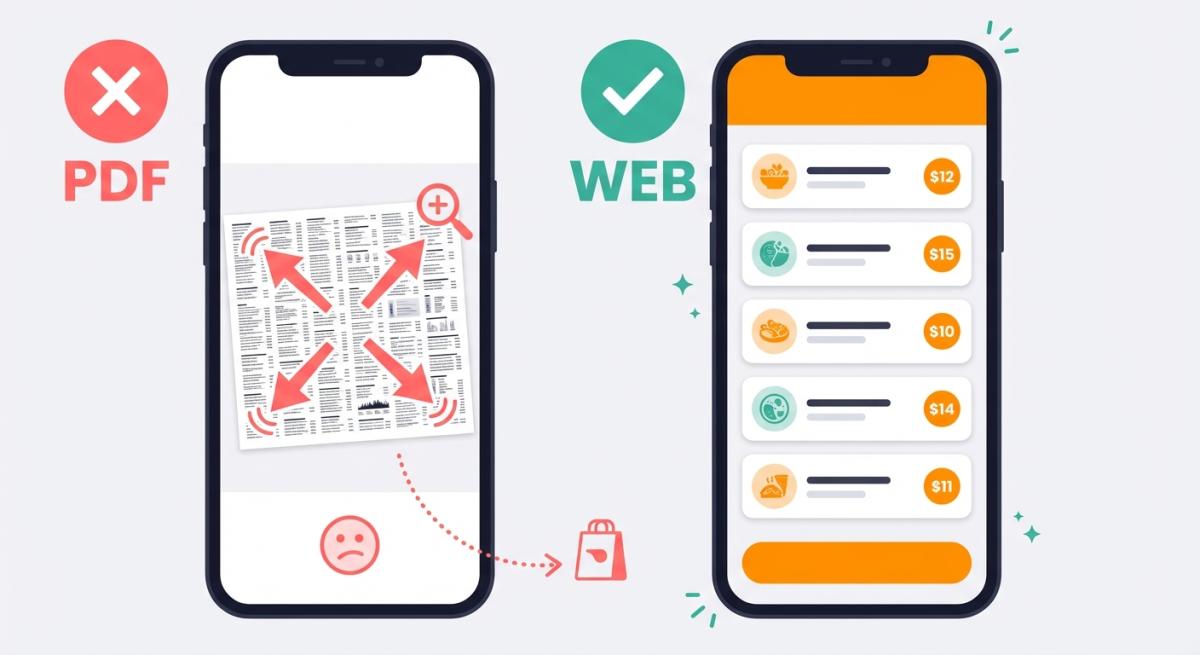
Where do those frustrated guests go? DoorDash or Uber Eats, where the menu is easy to read. Now you're paying 30% commission on an order you could have gotten directly.
Menu-specific keywords on your site (your dishes + your city) improve organic visibility by 15-40%.
Welcome builds every menu as a real web page. Google indexes it. Guests scroll through it on any phone. When you eighty-six a dish Friday night, you hide it and push a special to the top. In seconds.
Win #3: Put the Right Keywords on Your Homepage
If you're a pizza place in Phoenix, the words "best pizza in Phoenix" need to be on your homepage. In your page title. In your main headline. In your meta description.
Most restaurant websites don't do this.
Google matches searches to the words on your site. If someone types "best Italian in Lakeside" and your homepage says that, you have a shot. If your homepage just says "Welcome to Our Restaurant" with a stock photo, Google has nothing to work with.
Use this table. Find your cuisine. Add that phrase to your homepage with your city name.
| Your cuisine | Keyword to add to your homepage |
|---|---|
| Italian | "Best pasta in [your city]" |
| Mexican | "Best tacos in [your city]" |
| Japanese | "Best sushi in [your city]" |
| Thai | "Best pad thai in [your city]" |
| Indian | "Best butter chicken in [your city]" |
| Pizza | "Best pizza in [your city]" |
| Chinese | "Best chow mein in [your city]" |
| Poke | "Best poke bowl in [your city]" |
| Wings | "Best wings in [your city]" |
| BBQ | "Best BBQ in [your city]" |
Put these in two places: your page title (what shows up in Google results) and your main homepage headline.
This is where most restaurant website builders fail. They give you restaurant website templates with pretty designs and leave the SEO blank. Nobody tells you this matters.
Welcome's AI writes your page titles, meta descriptions, and draft homepage copy during onboarding. Uses your cuisine, location, and menu. Done before your site goes live.
Win #4: Your Site Needs to Load Fast on Every Phone
Google tracks how fast your site loads. Too slow = lower rankings + guests leaving.
Bounce probability, how likely someone will leave your site, jumps 32% when load time goes from one second to three seconds. Three seconds. That's it!
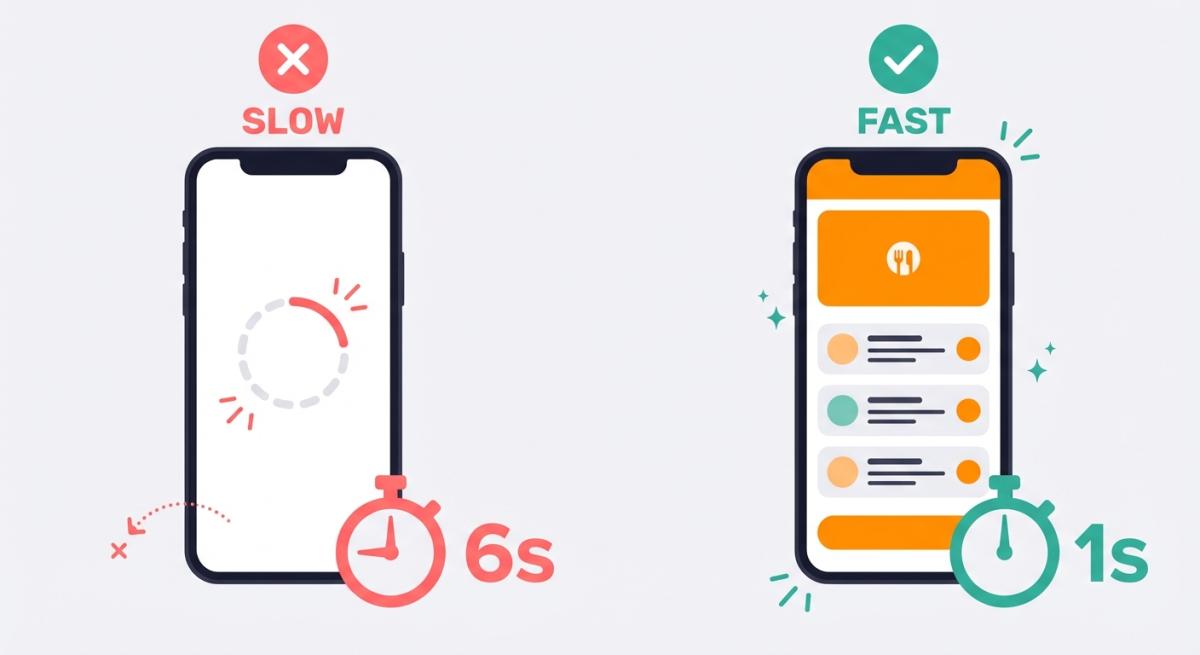
78% of restaurant websites aren't built for mobile. Common issues: oversized images, huge video files, bloated WordPress themes, plugins from 2019.
Your restaurant website cost shouldn't be measured just in dollars per month. The real cost is the guests you lose to a slow mobile experience.
Welcome sites load fast on any device. Even on bad cell service outside in a parking lot. Technical decision we made from day one.
Win #5: Give Google More Pages to Work With
A single-page website with your logo, a phone number, and a PDF tells Google nothing. One page competing against restaurants with 10 or 20 pages of real content.
Every page is another chance to rank for a different search.
| Page | What it ranks for |
|---|---|
| Menu page | Your dishes + your city ("sushi in Austin") |
| Location pages | "Restaurants in [your neighborhood]" |
| Careers page | "Restaurant jobs near me" |
| About page | Your brand name + cuisine type |
| Specials/Events | Seasonal searches, holiday dining |
Welcome gives you menu pages, location pages with maps and click-to-call, a built-in job board, and the Welcome Card. The Welcome Card is a single link and QR code that routes to your menu, jobs, specials, events, or gift cards. A restaurant QR code tool that actually does something useful.
If you're running a small restaurant website solution on a single page, adding a few more pages with real text can make a meaningful difference.
The 3 Mistakes Killing Your Google Traffic
You might be doing everything above and still not ranking. One of these three mistakes is probably canceling it out.
| Mistake | Why it hurts | The fix |
|---|---|---|
| PDF or image menu | Google can't read it. Guests can't use it on mobile. You lose traffic to competitors with real web menus. | Publish your menu as text on a real page. Not a file. Not an image. |
| Inconsistent info across the internet | Different name/address/phone on Google, Yelp, your website? Google trusts you less. Wrong hours = bad reviews = lower rankings. | Pick one version. Make it identical everywhere. Update hours in real time. |
| Single-page site with no real content | Google needs text to understand what you serve and where. No pages = nothing to index = nothing to rank. | Add menu, about, location, and careers pages with real text. |
Welcome location pages centralize your info. Update it once. It stays consistent across everything. No checking six platforms every time you change your Monday hours.
The 2026 Factor: AI Search Changes the Game
This is the section most restaurant SEO articles skip.
People aren't just Googling restaurants anymore. They're asking AI. "Best sushi near downtown that's open late" in ChatGPT. Google's AI Overviews answering questions before clicking a link.
One in five Americans already use AI tools to find restaurants. For Gen Z and millennials, it's closer to 40%.
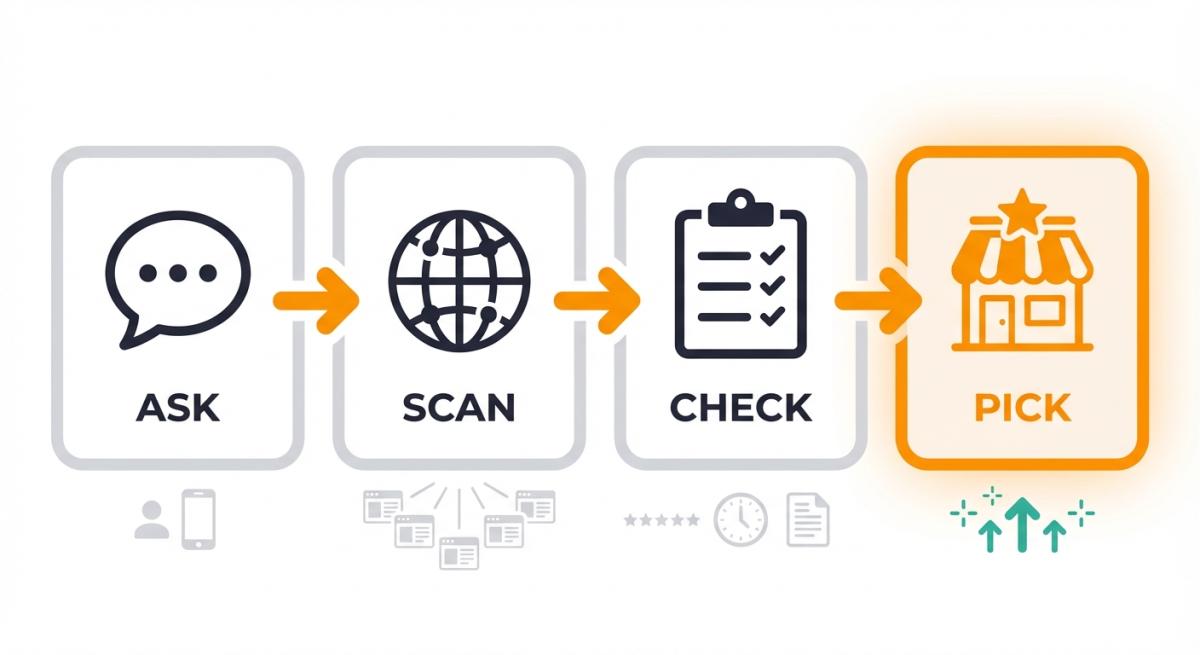
The difference: Google gives you a list of ten results. AI gives you two to three recommendations. If you're not picked, you're not even in the conversation.
The good news? AI platforms decide what to recommend based on the same signals we've covered. Accurate info, crawlable content, strong reviews, fast site. Fix your SEO and you're building your AI visibility too.
This is what a real guest experience platform for restaurants looks like in 2026. Not just a website. The foundation for how guests discover you, whether through Google, ChatGPT, or a friend sharing your Welcome Card.
Your Restaurant SEO Checklist
Print it. Screenshot it. Tape it next to the POS.
Do This Now
- Complete your Google Business Profile. Every field. Real photos. Current hours. Collect Google reviews.
- Publish your menu as a real web page. Not a PDF. Not an image.
- Add cuisine + city keywords to your page title and homepage headline.
- Make sure your site loads in under 3 seconds on mobile.
- Build out multiple pages: menu, locations, about, careers.
Stop Doing This
- Using PDF or image menus.
- Having different info across Google, Yelp, your website, and everywhere else.
- Running a single-page site with no real content for Google to index.
Prepare for What's Next
- Treat AI search as real. Same SEO fundamentals apply.
- Keep your information structured and consistent across every platform. AI pulls from all of it.
Start Now. SEO Compounds.
SEO isn't instant. It takes weeks, sometimes months. But every week you wait to start, is a week your competitors pull ahead.
None of this requires a developer, an agency, or a marketing degree.
If you want to skip the technical setup, that's what Welcome is built for. SEO handled during onboarding. Real menu pages. Fast mobile performance. $99/month. No contract. No agency fees.
Welcome is a restaurant website builder built by someone who grew up in a restaurant kitchen and got tired of watching operators get squeezed by vendors who don't understand the business. The best restaurant tech stack in 2026 isn't seven systems that don't talk to each other. It's fewer tools that do more, cost less, and actually work.
Start your setup or see book a demo.